Branding
EVER
WONDER . . .
Why a handbag with two letters on it costs more than a holiday.
What makes people queue overnight for a phone when their old one still works just fine.
The reason a swoosh makes you run faster,
A bitten apple makes you feel cooler, and golden arches somehow make fries taste better.

When you get branding right, the emotional bond you create is powerful and long-lasting. Loyalty builds, repeat purchases follow, and happy customers become your biggest advocates. But get it wrong, and you leave the door wide open for competitors to step in and take your place.
It convinces people they’re buying more than a product, they’re buying a feeling.

Each element is a piece of the puzzle. When they work together, they create the full picture of how people see, feel, and remember your business. Think of branding like a personality—if one part feels off, the whole impression breaks down. Every element works like a building block, reinforcing trust, recognition, sparks connection with your audience and makes your brand unforgettable.


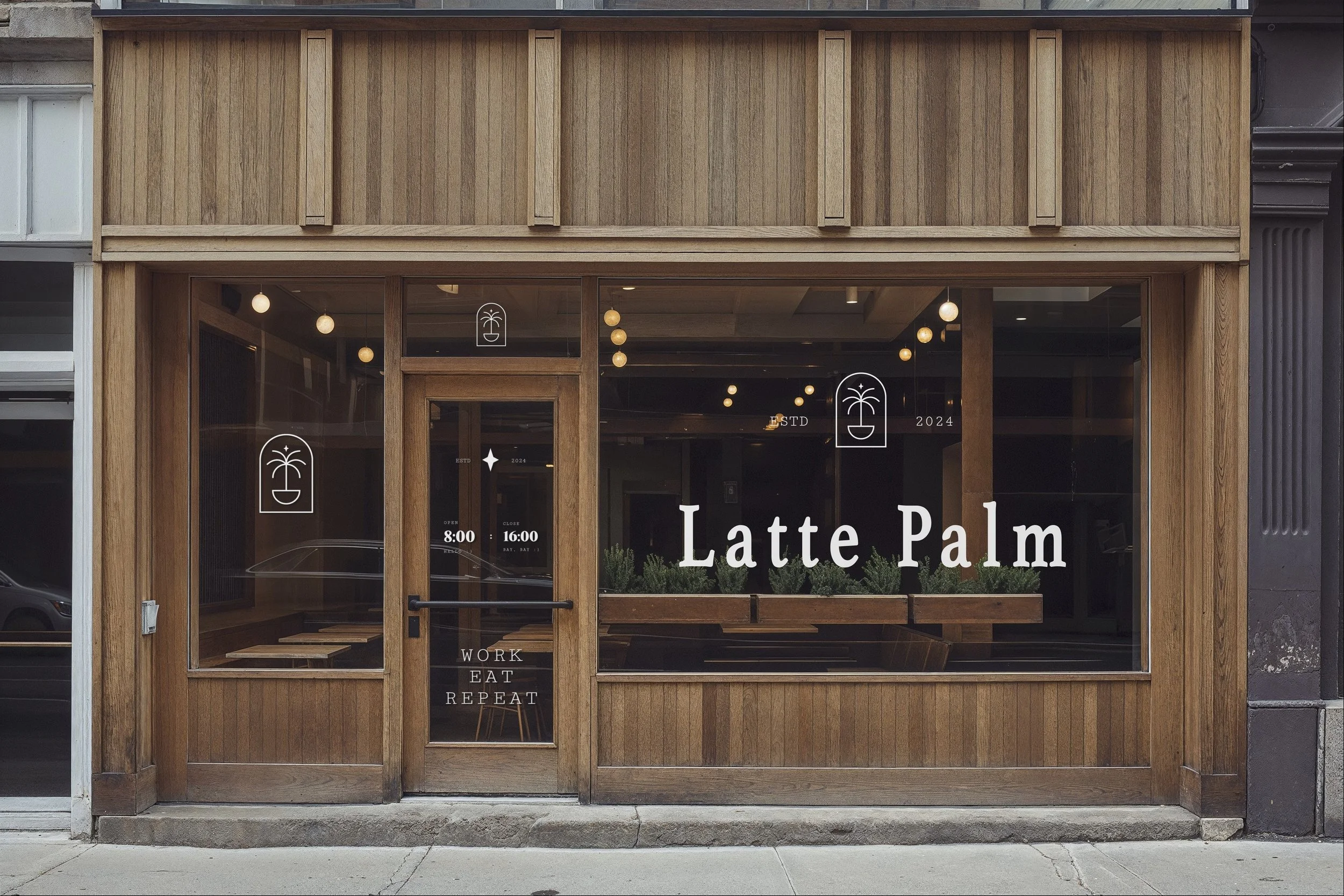


Branding matters because without it, people forget you faster than last week’s leftovers.
Here’s why it’s your secret weapon:

-
From logos to websites to signage, your visual identity is often the first thing a guest encounters. A well-designed brand communicates professionalism, personality, and trustworthiness instantly.
-
Design helps express what your business stands for—whether it’s luxury, comfort, sustainability, or fun. Through colours, typography, imagery, and layout, you can craft a consistent story that sets your venue apart.
-
Menus, brochures, room guides, event flyers, and way-finding signage all shape a guest’s interaction with your business. Good design ensures clarity, ease of use, and aesthetic appeal, contributing to a smooth, enjoyable experience.
-
Eye-catching visuals on social media, email campaigns, and booking platforms help you stand out in a crowded market. Great design captures attention, builds interest, and drives action—leading to increased reservations or footfall.
-
For hotel groups or hospitality chains, consistent graphic design across locations ensures a cohesive brand identity. This builds recognition and customer loyalty.
-
In the 2025 eras, people love to share aesthetically pleasing spaces and experiences. A well-designed logo on a coffee cup, or a striking mural on your wall, can quickly end up on Instagram stories—giving you free marketing and building buzz.
-
People will pay more when they feel the experience is worth it. If your design reflects quality and attention to detail, your prices feel justified.
Amazing food and fancy cocktails? Yes, please. But it is also about the whole experience, atmosphere and vibe.
The most powerful brands create positive emotional associations so strong that customers look past logic (e.g price or convenience) and stay loyal because of how the brand makes them feel.
Positive Emotions Brands Aim to Spark
Trust – “I believe in this brand; it won’t let me down.”
Belonging – “This brand makes me feel part of a community or movement.”
Excitement – “This brand energises and inspires me.”
Pride – “Owning or using this brand makes me feel good about myself.”
Joy – “This brand makes me happy and adds fun to my life.”
Comfort/Security – “I feel safe and reassured with this brand.”
Inspiration – “This brand motivates me to do or be more.”
Love/Affection – “I feel emotionally attached—like this brand is part of my life.”
Confidence – “I feel secure choosing them over others.”
Connection – “This brand understands me and what I value.”
Negative Emotions (when branding goes wrong)
Frustration – “They don’t deliver what they promised.”
Distrust – “I don’t believe what they say.”
Disappointment – “They let me down.”
Indifference – “This brand doesn’t stand out or matter to me.”
Confusion – “I don’t understand what they do or who they’re for.”
Skepticism – “It all feels too good to be true.”
Disconnection – “I just don’t relate to them.”
Annoyance – “They’re trying too hard to sell to me.”
Impatience – “It takes too long to find what I need.”
Insecurity – “I’m not sure I can trust my decision.”
Resentment – “They don’t value their customers.”
Doubt – “I’m questioning their credibility.”

Successful branding isn’t just seen - It’s felt.
When people feel emotionally connected to a brand, it stops being just a product or service and becomes part of their identity and story.
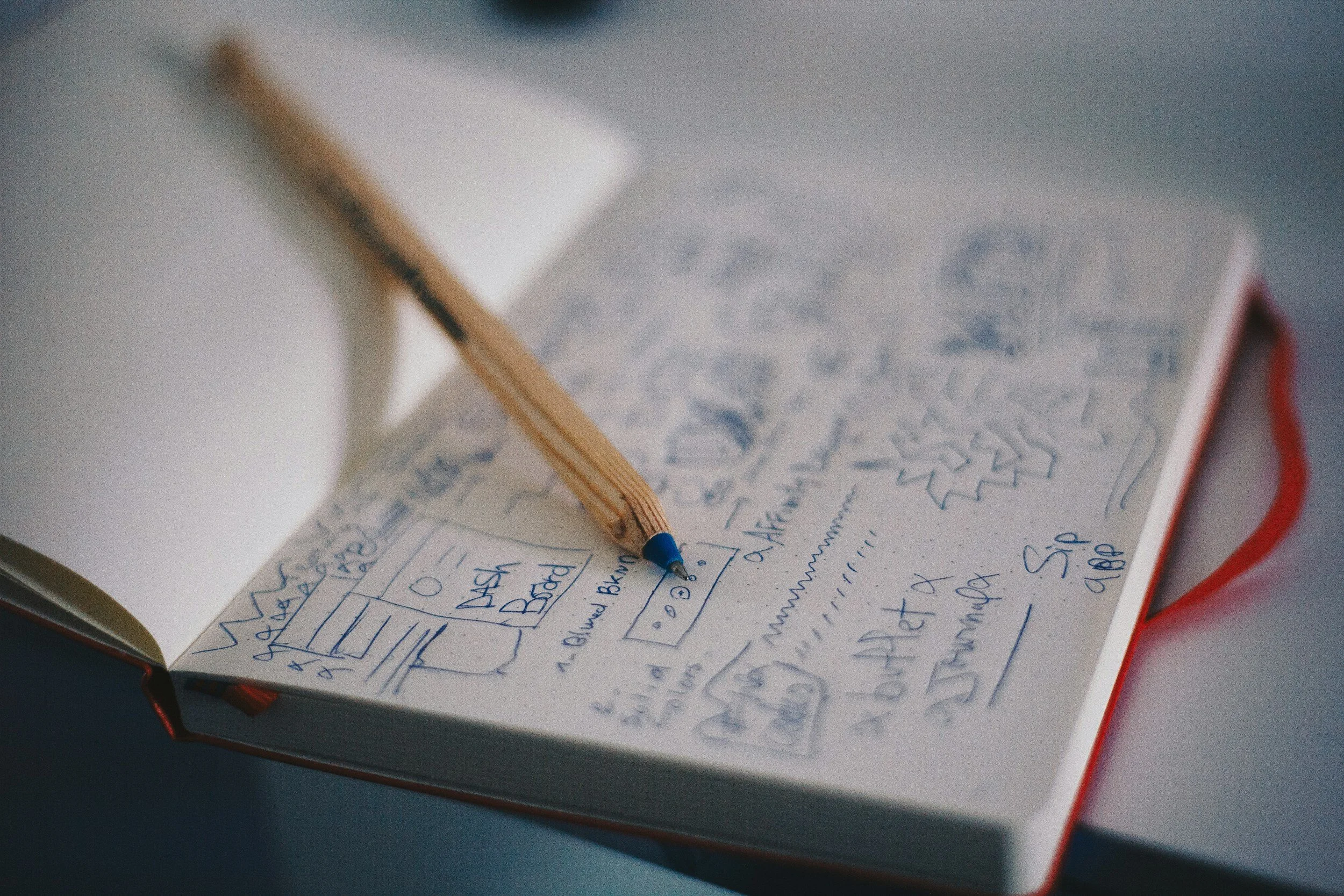
Here are the key elements and why they’re important:
-
Your brand’s face. It’s often the first thing people see and remember.
-
Shapes mood and emotion. Everything behind the psychology of colour Think: - red for energy, blue for trust, green for growth, etc. (Read out blog post)
-
The “voice” of your brand in written form. General speaking, bold fonts feel strong, clean fonts feel modern, scripts feel elegant.
-
Sets tone and creates consistency in how your brand is visually expressed.
-
The personality behind your words, whether professional, playful, or inspiring.
-
Captures your promise in a simple, memorable way.
-
Ensures people recognise and trust you whether they see you online, in print, or in person.
Together, these elements create your brand signature - a consistent identity that makes you stand out, builds trust, and forms emotional connections with your audience.
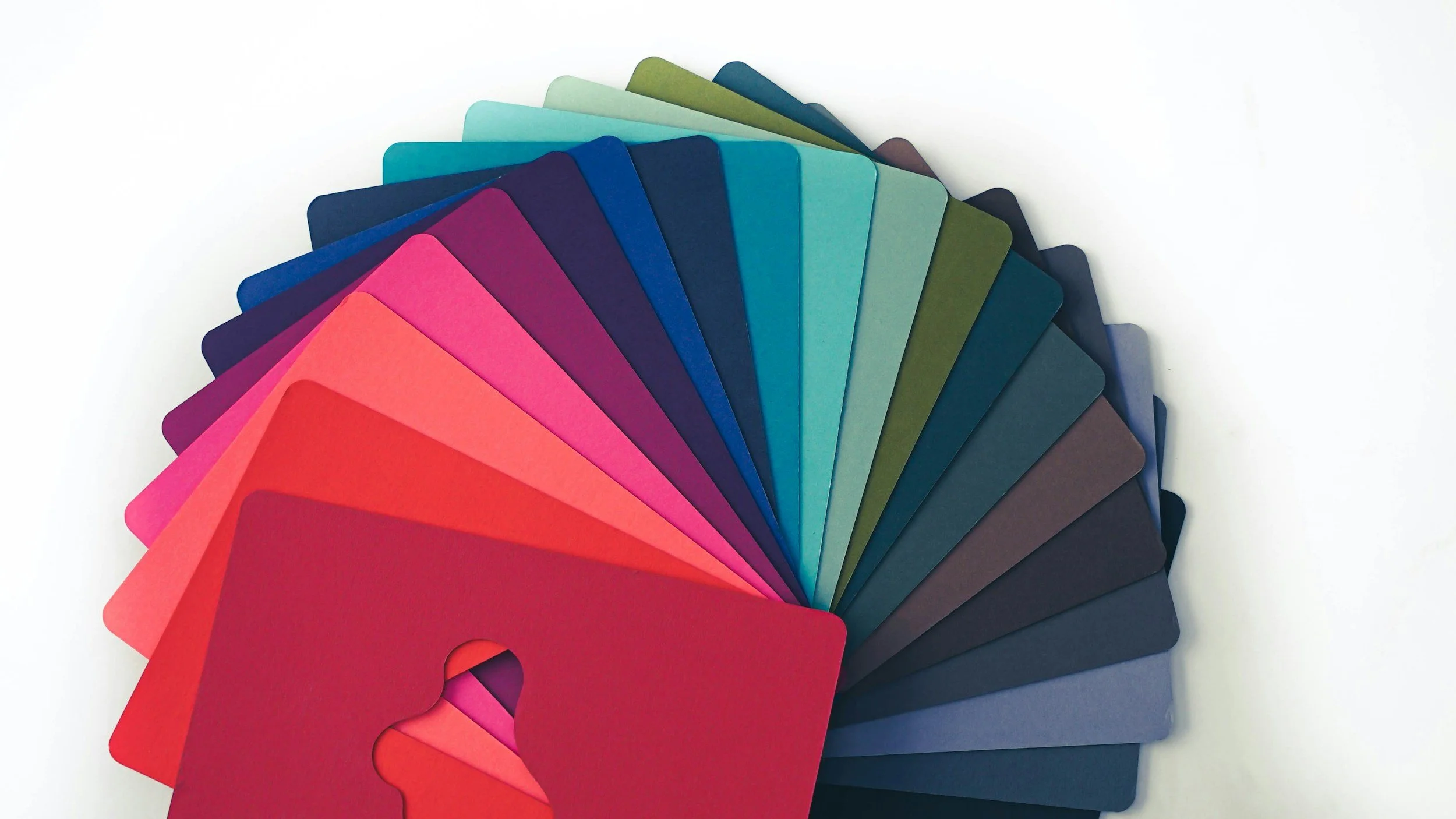
We create branding that defines purpose, builds trust, connects to emotions and inspires lasting connection.
We design brands that people believe in — built on clarity, creativity, and credibility
Get started with The People Design Studio, today.
OR